

mirror with led lights
Het Belang van Type Niet-terugslagkleppen Niet-terugslagkleppen zijn cruciale componenten in vele industriële en huishoudelijke toepassingen. Ze zijn ontworpen om de vloeistofstroom in één richting te laten stromen en te voorkomen dat deze terugstroomt. Dit voorkomt schade aan apparatuur, stagnatie van vloeistoffen en andere ongewenste situaties. Er zijn verschillende soorten niet-terugslagkleppen, elk met hun eigen specifieke toepassingen en voordelen. 1. Balkleppen Balkleppen zijn een van de meest voorkomende types niet-terugslagkleppen. Deze kleppen bevatten een bal die vrij kan bewegen binnen de behuizing. Wanneer de vloeistof door de klep stroomt, wordt de bal omhoog geduwd, waardoor de vloeistof verder kan stromen. Als de vloeistofstroom stopt of probeert terug te stromen, zal de bal op zijn plaats vallen en de opening afsluiten. Dit eenvoudige maar effectieve ontwerp maakt balkleppen zeer betrouwbaar en populair in verschillende toepassingen, van waterleidingen tot olie- en gasinstallaties. 2. Schuifkleppen Schuifkleppen zijn een andere variant die vaak wordt gebruikt. Ze beschikken over een schuifmechanisme dat naar beneden of omhoog beweegt om de stroom te regelen. Wanneer de vloeistof in de juiste richting stroomt, wordt de klep geopend. Bij terugstroom sluit de klep automatisch. Schuifkleppen zijn bijzonder nuttig in systemen waar een strakke afsluiting vereist is om lekkages te voorkomen. 3. Veerbelaste Kleppen non return valve types Veerbelaste niet-terugslagkleppen maken gebruik van een veersysteem om de klep in de gesloten positie te houden wanneer er geen vloeistofstroom is. Wanneer de druk van de stromende vloeistof hoog genoeg is, wordt de klep geopend. Dit type klep is zeer effectief in situaties waar de vloeistofdruk kan fluctueren. De veer zorgt ervoor dat de klep altijd terugkeert naar de gesloten positie, wat de kans op terugstroming minimaliseert. 4. Retourkleppen Retourkleppen, soms ook bekend als terugslagkleppen, worden vaak gebruikt in verwarmings- en koelsystemen. Deze kleppen zijn ontworpen om te reageren op temperatuurveranderingen in het systeem. Bij stijgende temperaturen opent de klep automatisch, waardoor de warme vloeistof kan circuleren. Zodra de temperatuur weer afneemt, sluit de klep en voorkomt zo terugstroom. Dit type klep is van groot belang in systemen waar temperatuurregeling essentieel is voor de juiste werking. 5. Til- en Flapperkleppen Til- en flapperkleppen zijn populair in toepassingen waar de vloeistofstroom snel en met hoge snelheid is. Deze kleppen zetten een flap of een klepje in om de terugstroom te blokkeren. Wanneer vloeistof met voldoende kracht passeert, tilt de flap op, maar bij een omgekeerde stroom valt de flap terug op de opening, waardoor de terugstroom wordt verhinderd. Ze worden vaak gebruikt in industriële installaties, zoals bij rioolwaterbehandelingssystemen. Conclusie Het gebruik van niet-terugslagkleppen is essentieel voor het waarborgen van de veiligheid en efficiëntie in verschillende vloeistoftransport- en verwerkingssystemen. Door de juiste soort niet-terugslagklep te kiezen, kunnen bedrijven en huiseigenaren ervoor zorgen dat hun systemen soepel functioneren en dat ongewenste terugstroom wordt voorkomen. Of het nu gaat om bal-, schuif-, veerbelaste, retour- of flapperkleppen, elk type biedt specifieke voordelen die passen bij de behoeften van de toepassing. Het is daarom belangrijk om de juiste keuze te maken op basis van de specifieke eisen van het systeem.
about
mirror with led lights
Understanding Balanced Globe Valves A Key Component in Fluid Control Systems Balanced globe valves are critical components in various industrial applications, renowned for their effectiveness in regulating and controlling fluid flow. These valves are designed to maintain a constant pressure differential, thereby enhancing their performance and longevity. In this article, we explore the unique features, applications, and benefits of balanced globe valves, as well as their importance in modern fluid control systems. Design and Functionality Balanced globe valves differ from traditional globe valves in their unique design, which includes a balanced plug that reduces the pressure drop across the valve. The valve consists of a spherical body with an internal baffle that divides the flow path, creating two flow directions. This design allows for more controlled flow and less turbulence, making balanced globe valves ideal for applications where precise flow regulation is crucial. The balancing mechanism in these valves ensures that the force acting on the disc is evenly distributed, minimizing wear and tear on the valve components. This characteristic not only enhances the durability of the valve but also ensures smooth operation, even under varying pressure conditions. As a result, balanced globe valves can effectively handle fluctuations in the fluid system, which is vital for maintaining operational efficiency. Applications Balanced globe valves are widely used across various industries, including chemical processing, oil and gas, water treatment, and HVAC systems. In chemical plants, for example, these valves are employed to regulate the flow of corrosive and high-temperature fluids, ensuring safety and efficiency . Similarly, in the oil and gas sector, balanced globe valves manage the flow of hydrocarbons, preventing leaks and ensuring that the process runs smoothly. balanced globe valve In HVAC systems, these valves play a crucial role in controlling the heating and cooling processes, contributing to energy efficiency and environmental sustainability. Their design allows for minimal pressure loss, making them ideal for applications where energy conservation is a priority. Benefits The primary benefits of balanced globe valves include their reliable performance, longevity, and ability to manage pressure drops efficiently. Their balanced design reduces the likelihood of cavitation and flow-induced vibrations, which are common issues in fluid control systems. By mitigating these risks, balanced globe valves enhance system stability and reliability. Additionally, balanced globe valves provide excellent throttling capabilities, making them suitable for applications requiring precise flow control. This feature allows operators to adjust flow rates accurately, leading to improved process control and efficiency. Conclusion In summary, balanced globe valves are indispensable components in fluid control systems, offering numerous advantages over traditional valve designs. Their ability to maintain pressure balance and provide precise flow regulation makes them a preferred choice in various industrial applications. As industries continue to evolve and demand more efficient and reliable fluid handling solutions, balanced globe valves will remain at the forefront of technological advancements, ensuring safety, efficiency, and sustainability in fluid management. Investing in high-quality balanced globe valves is essential for any operation aiming to enhance its fluid control processes.
-

High quality industrial productsagement

High quality industrial products
View Details -

Meet the diverse needs of customers

Meet the diverse needs of customers
View Details -

Strict quality control

Strict quality control
View Details -

Top raw materials

Top raw materials
View Details -

Trusted supplier

Trusted supplier
View Details
Our application


news and information
Using Ring Gauge for Precision Measurements in Quality Control Testing
The Importance of Ring Gauges in Quality Control In the world of manufacturing and engineering, prec
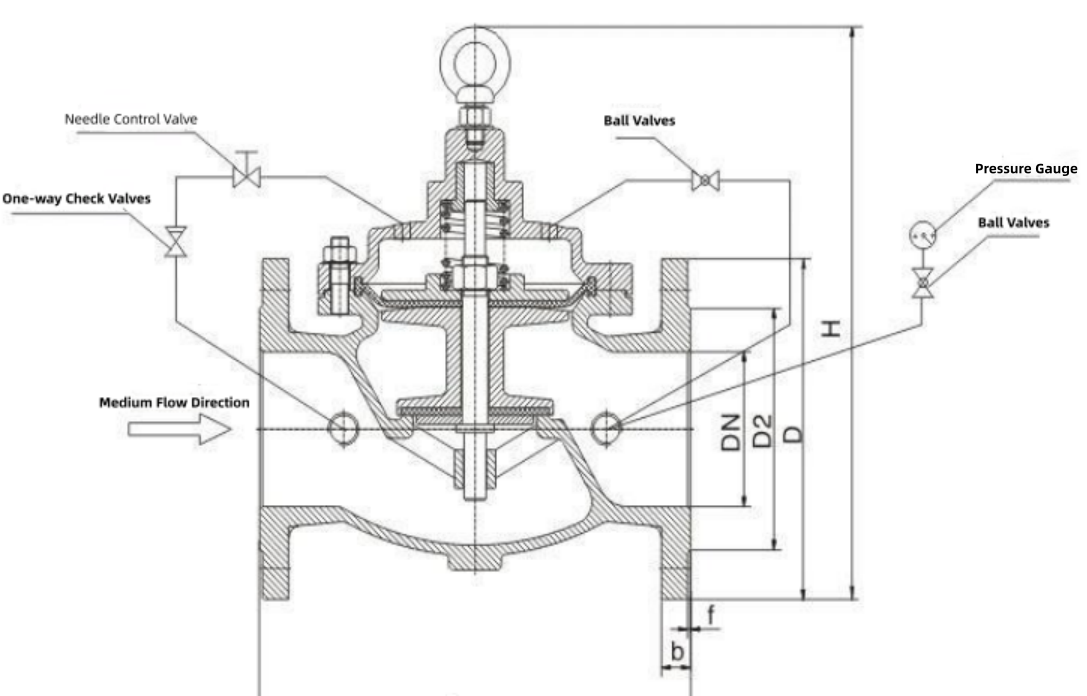
What Is the Difference Between Y Type Strainer and Basket Type Strainer_
In fluid systems, strainers play a crucial role in ensuring the cleanliness and efficiency of the pr
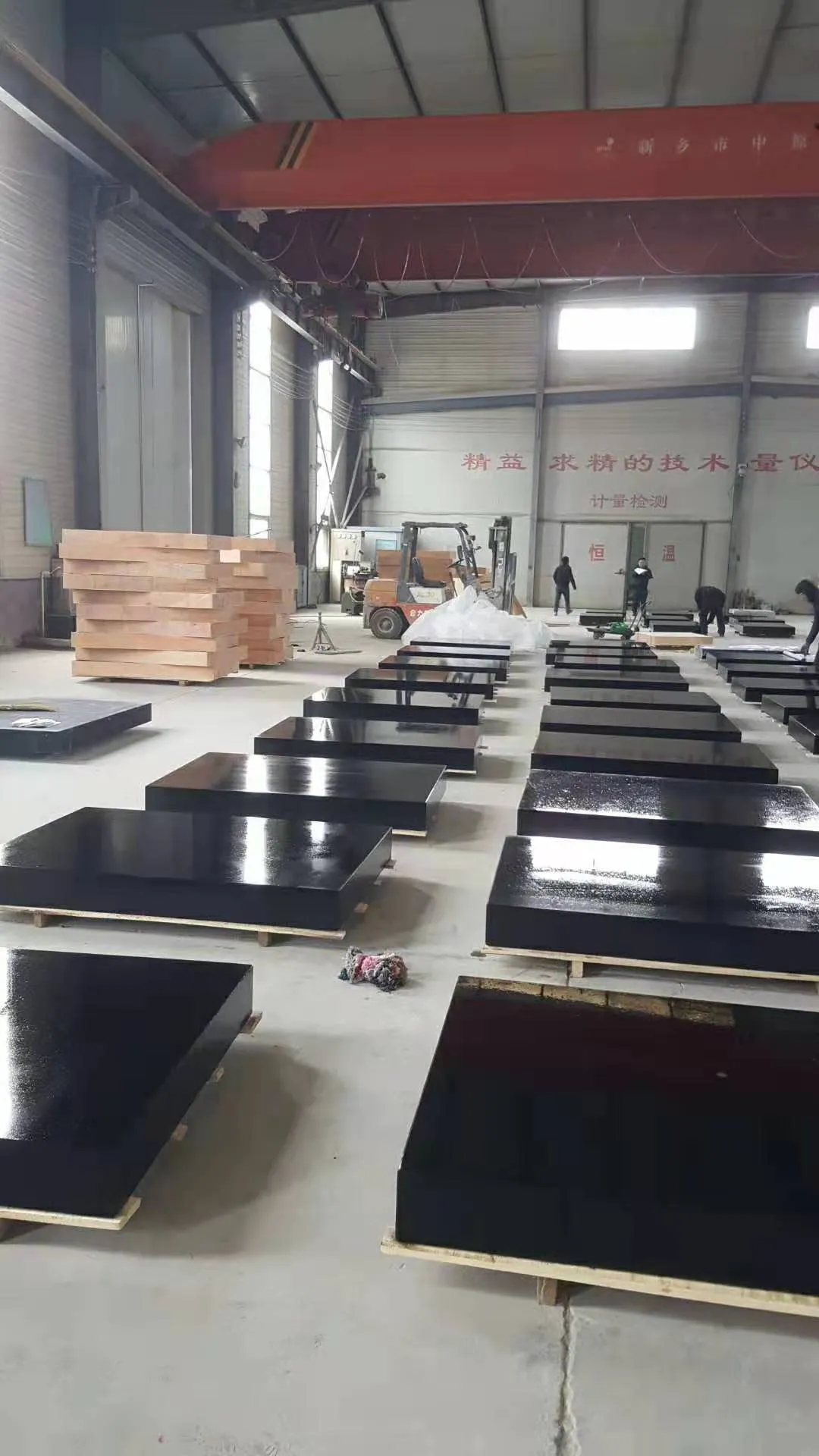
Using a Level to Create Accurate Markings on a Ruler
marking ruler with spirit level .
 English